Designing Journeys for Three Generations
What most itineraries get wrong — and how to get it right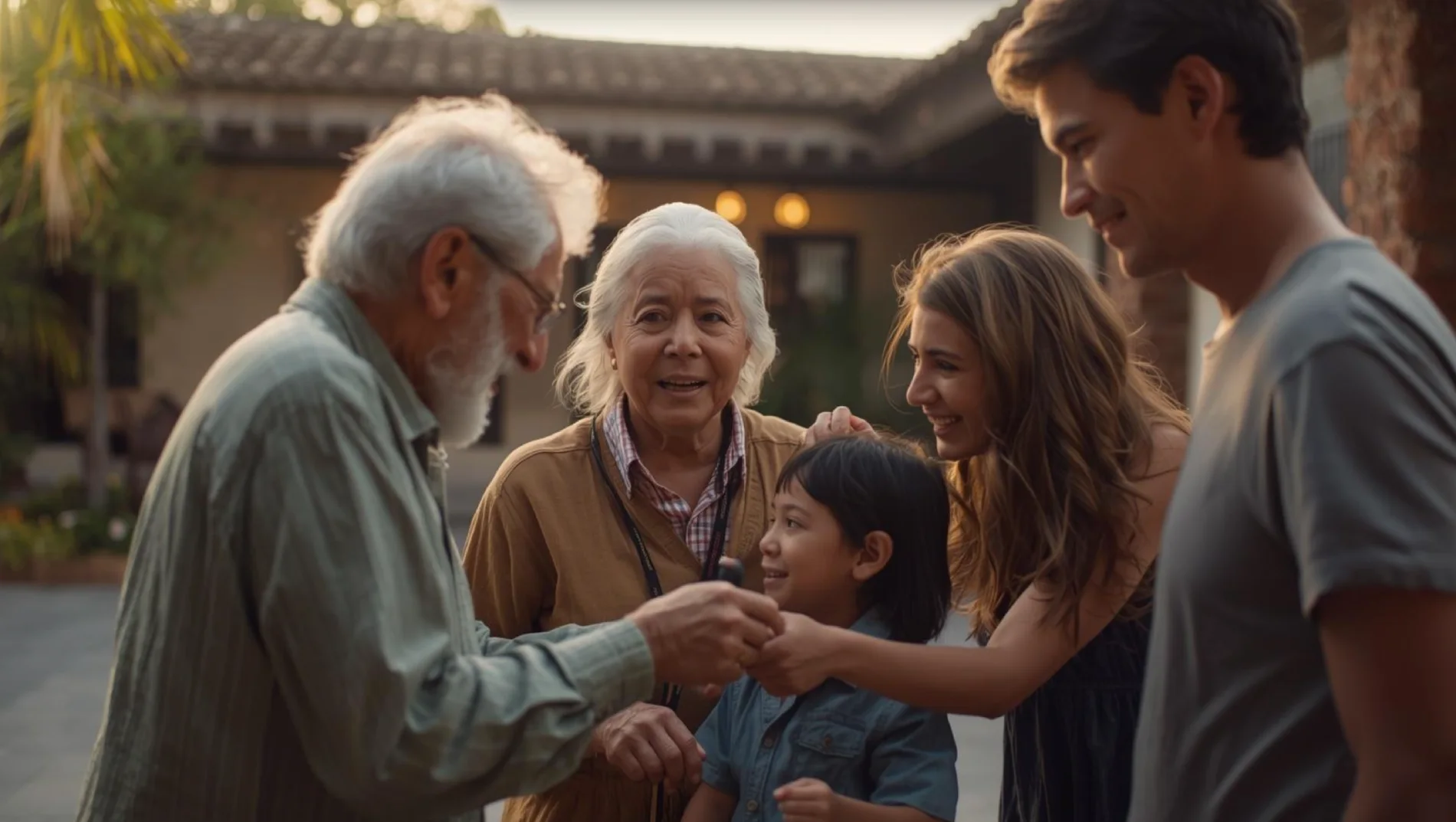
The illusion of “something for everyone”
Multi-generational travel sounds simple in theory.
Bring grandparents, parents, and children together.
Choose a beautiful destination.
Add a mix of activities.
And yet, in practice, it is one of the most complex journeys to design.
Because what most itineraries call
“something for everyone”
often becomes:
“something that truly satisfies no one.”
The core mistake: designing for individuals, not for the family
Most itineraries approach multi-generational travel as a checklist:
- Activities for children
- Cultural visits for adults
- Comfort for grandparents
But families don’t travel as separate units.
They travel as a shared dynamic.
And that dynamic is where the real experience happens.
The goal is not to entertain each generation independently.
The goal is to create moments they can experience together — meaningfully.
Different rhythms, different expectations
Each generation experiences travel differently:
- Children seek discovery, play, and engagement
- Parents look for balance between enjoyment and purpose
- Grandparents value comfort, pace, and connection
The mistake is trying to compress all of this into a rigid schedule.
Because what works for one group often exhausts another.
The new definition of luxury: harmony
In multi-generational travel, luxury is not just about hotels or services.
It’s about how well the journey flows for everyone involved.
That means:
- A pace that feels natural, not rushed
- Experiences that adapt without friction
- Moments of rest that are intentional, not accidental
True luxury is when no one feels like they are compromising.
Designing for connection, not coordination
A well-designed journey does more than organize logistics.
It creates opportunities for connection:
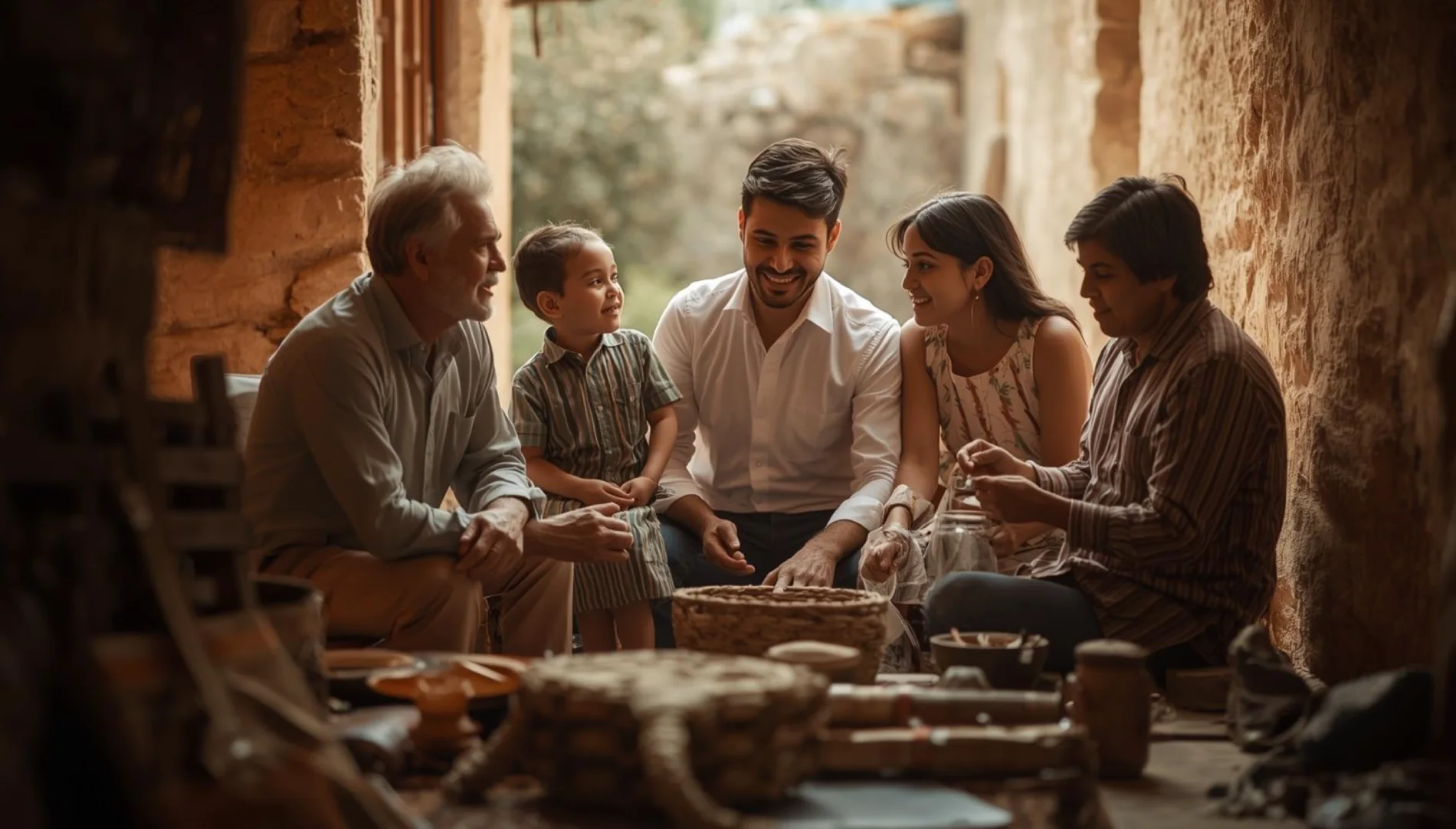
- A shared meal where stories are exchanged
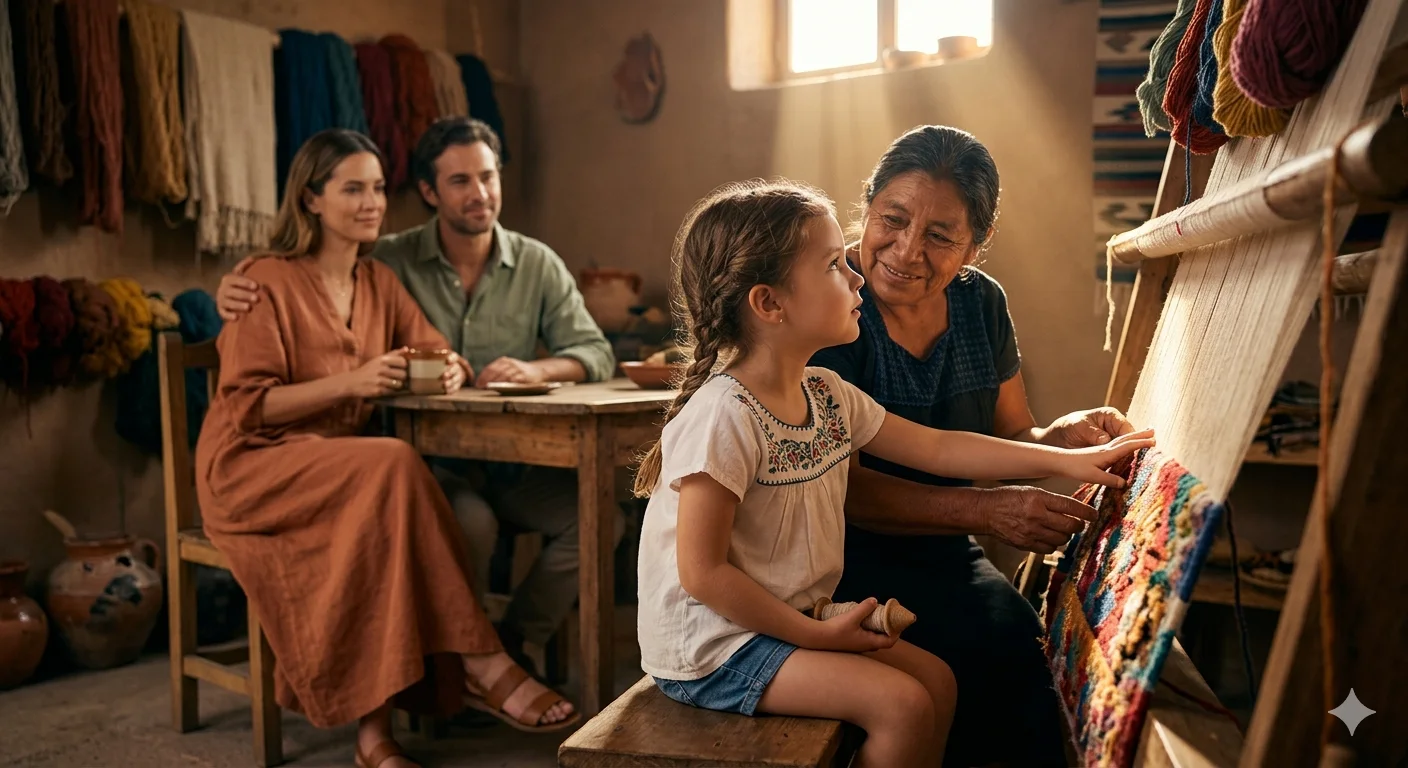
- A hands-on experience where generations learn together
- A moment in nature that invites presence, not distraction
These are not “activities.”
They are anchors of memory.
And they cannot be improvised.
The role of flexibility (and why it’s often missing)
Most itineraries are built for efficiency.
But families need elasticity.
Children get tired.
Energy shifts.
Unexpected moments appear.
A strong design anticipates this.
It creates space for:
- slowing down
- adjusting the pace
- following curiosity when it emerges
Without compromising the overall experience.
Why Mexico offers a unique advantage
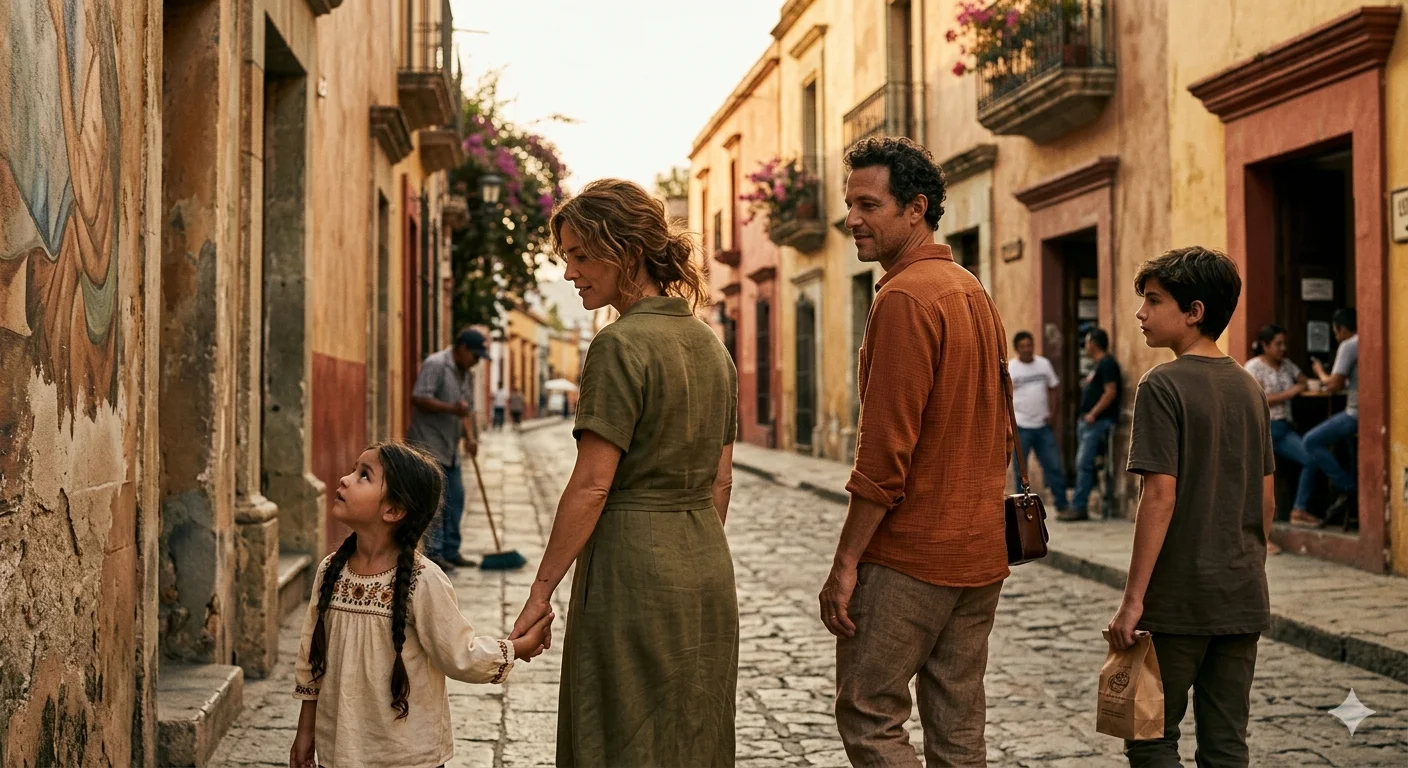
Few destinations allow this kind of layered experience as naturally as Mexico.
Because here, travel is not just about places —
it’s about living culture.
Families can:
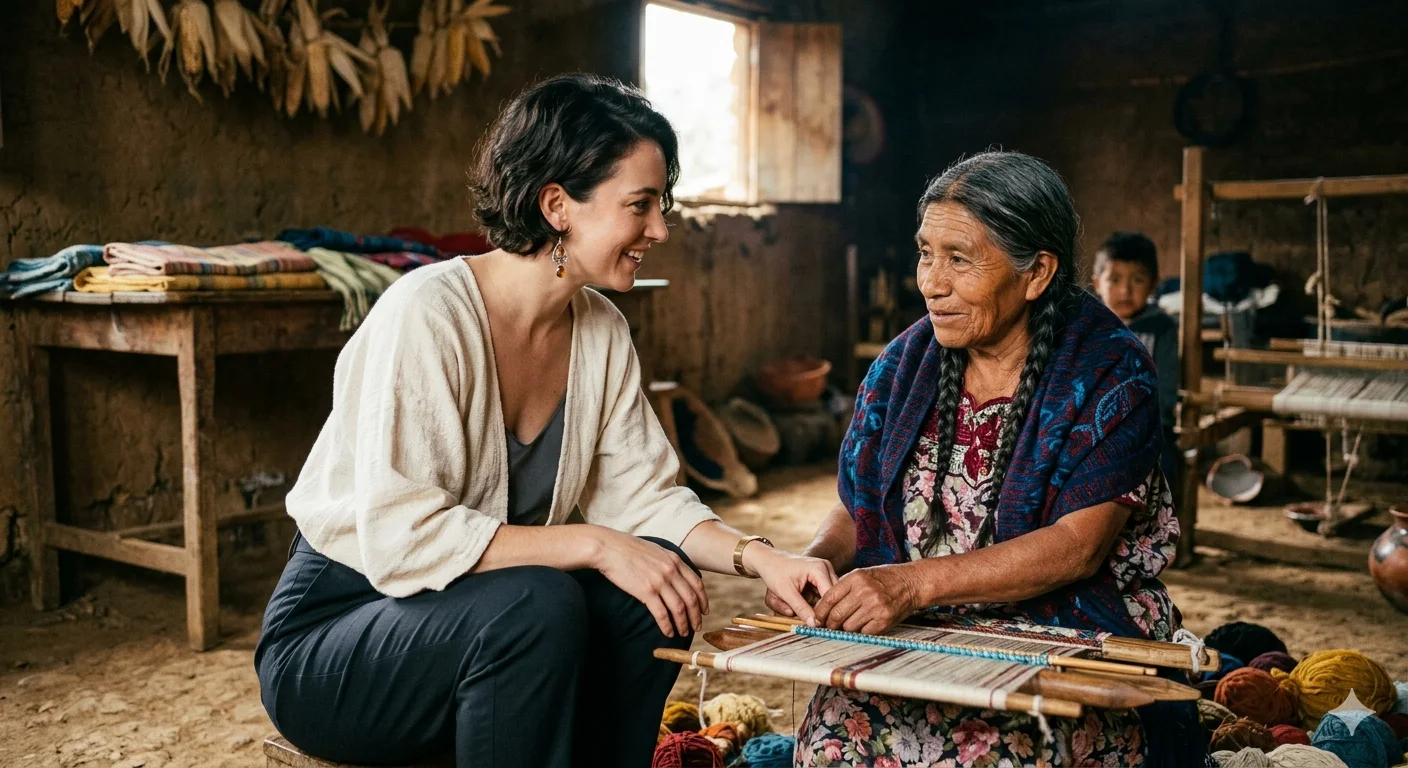
- engage with traditions that are still alive
- move through diverse landscapes within short distances
- experience authenticity without sacrificing comfort
The destination itself becomes a bridge between generations.
From itinerary to shared story
At the end of a multi-generational journey, what remains is not the schedule.
It’s the story the family now shares.
The moments they all remember — differently, but together.
That is what most itineraries miss.
They focus on what happens.
But what matters is what stays.
The role of the travel advisor
Designing these journeys requires more than coordination.
It requires:
- understanding family dynamics
- anticipating unspoken needs
- shaping experiences with intention
This is where the role of the advisor becomes essential.
Not as a planner —
but as a designer of shared experiences.
A final thought
Multi-generational travel is not about bringing people to the same place.
It’s about bringing them into the same experience.
Because when designed well,
these journeys don’t just create memories —
they reshape relationships.
If you’re designing journeys for families seeking more than a vacation,
we collaborate with travel advisors to create experiences across Mexico that are seamless, balanced, and deeply meaningful.