From Itinerary to Story
How meaningful journeys are designed — and why it changes everything
Most itineraries are well planned
Few are well designed
A typical luxury itinerary is efficient.
It flows logically.
It optimizes time.
It checks all the expected boxes.
And yet, when the journey ends,
much of it feels… interchangeable.
Because what was planned was the structure —
not the experience.
The difference is not in what you do
It’s in how it is designed
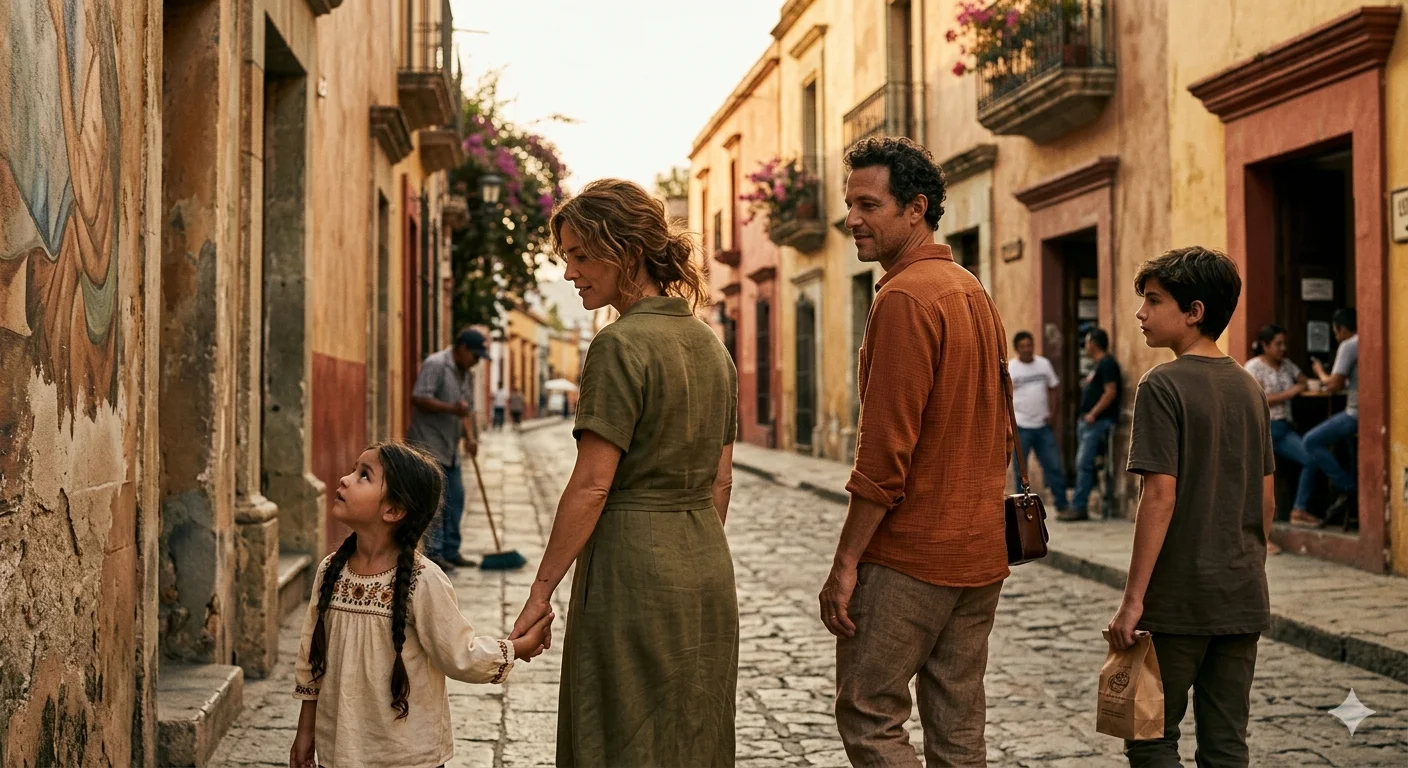
Two families can visit the same place,
stay in the same hotel,
and follow a similar route.
And still come back with completely different memories.
Why?
Because the value of a journey is not defined by its components,
but by the intention behind how those components come together.
Thinking beyond logistics
An itinerary answers practical questions:
- Where do we go?
- What do we do?
- How do we move?
But a meaningful journey asks something else:
- What should this feel like?
- What moments will stay with them?
- Where can connection happen naturally?
This shift changes everything.
Designing for moments, not activities
Activities fill time.
Moments create memory.
The difference is subtle — but powerful.
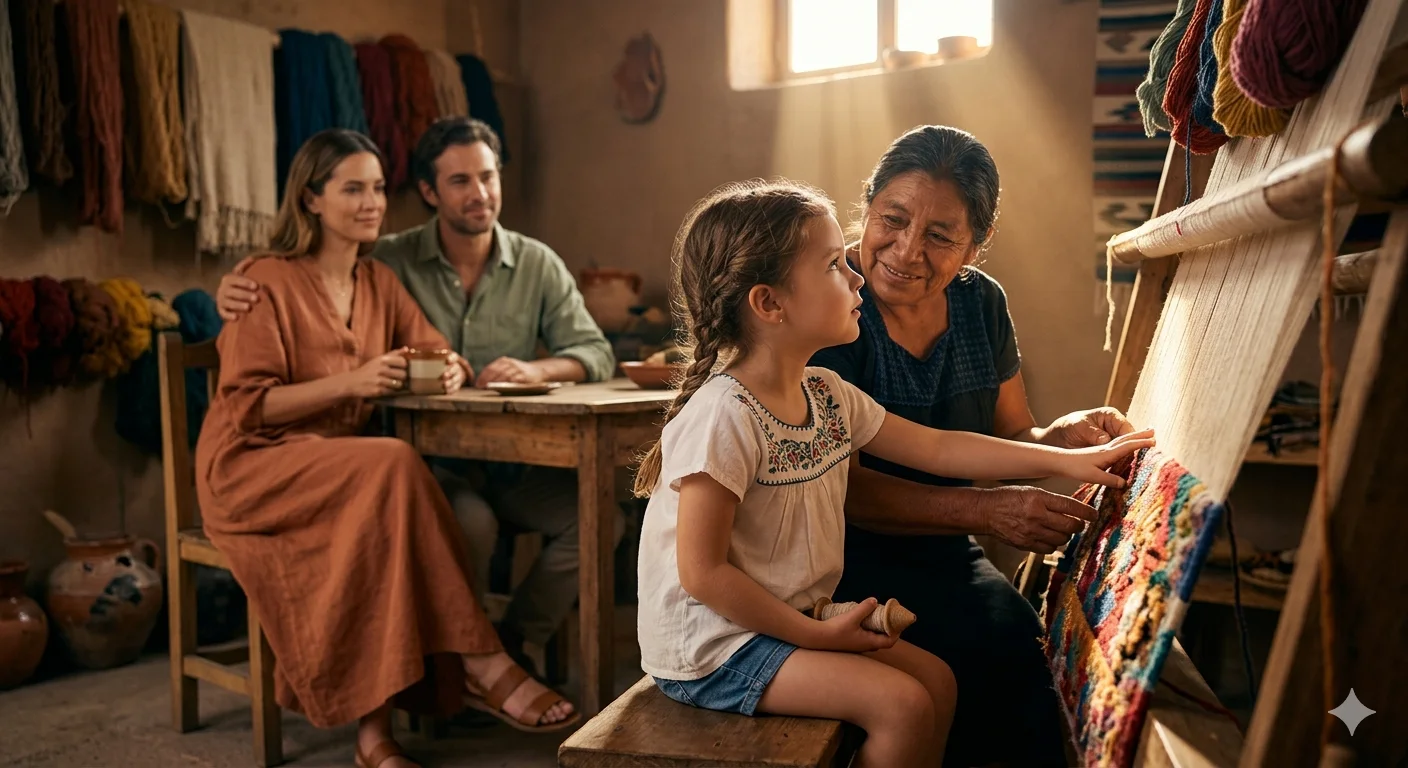
A cooking experience can be just a class.
Or it can become:
- a shared family moment
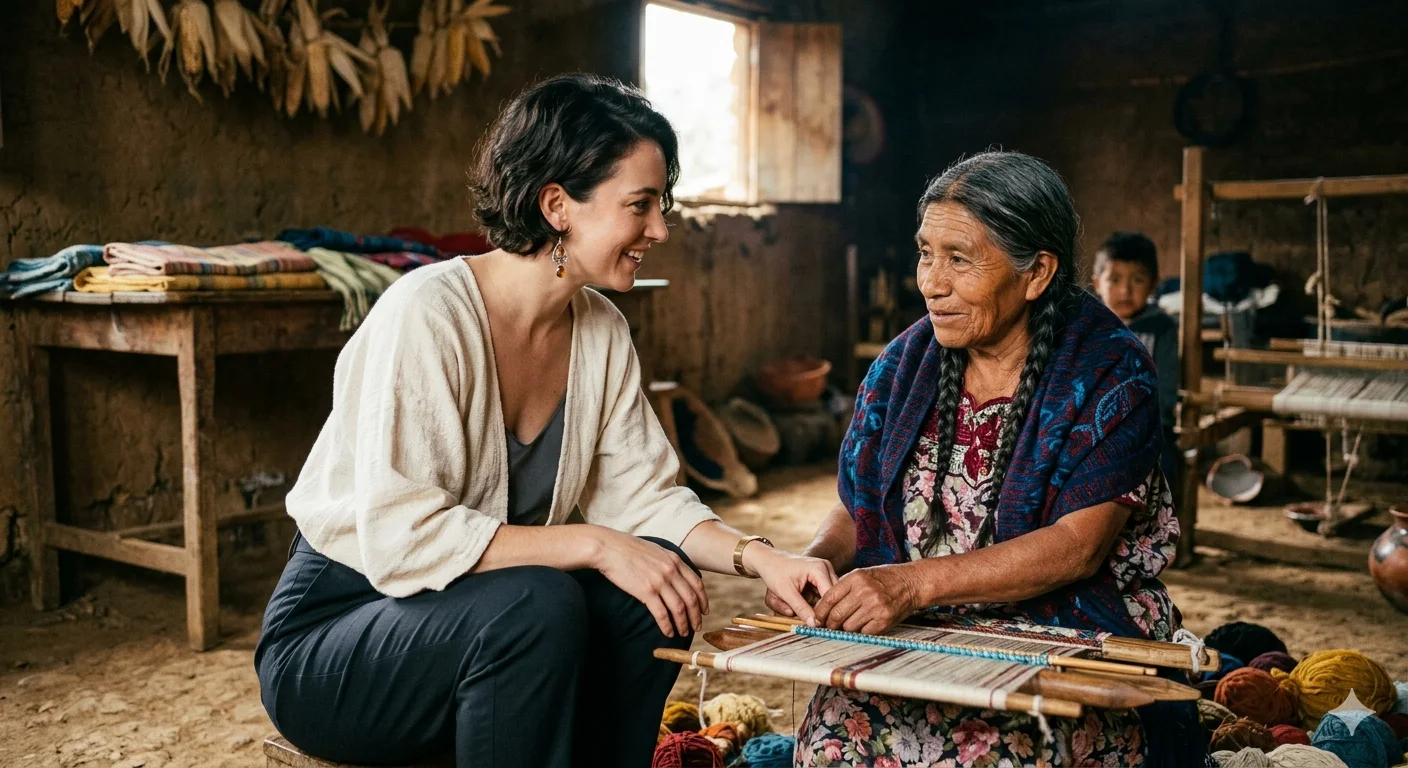
- a cultural exchange
- a story that will be retold for years
The role of design is to elevate the ordinary into something lasting.
The invisible layer of a great journey
What makes a journey truly exceptional is often what is not immediately visible.
- The pacing that feels effortless
- The transitions that feel natural
- The balance between stimulation and rest
- The ability to adapt without disruption
This layer is rarely noticed consciously.
But it is deeply felt.
Why storytelling matters
When a journey is designed intentionally,
it naturally forms a narrative.
There is:
- a beginning that invites curiosity
- a middle that deepens engagement
- an ending that leaves a lasting impression
Without this narrative, a trip becomes a sequence.
With it, it becomes a story.
Designing with the family in mind
For families, this approach becomes even more important.
Because each member experiences the journey differently.
The goal is not to create identical experiences,
but to create shared meaning across perspectives.
Moments where:
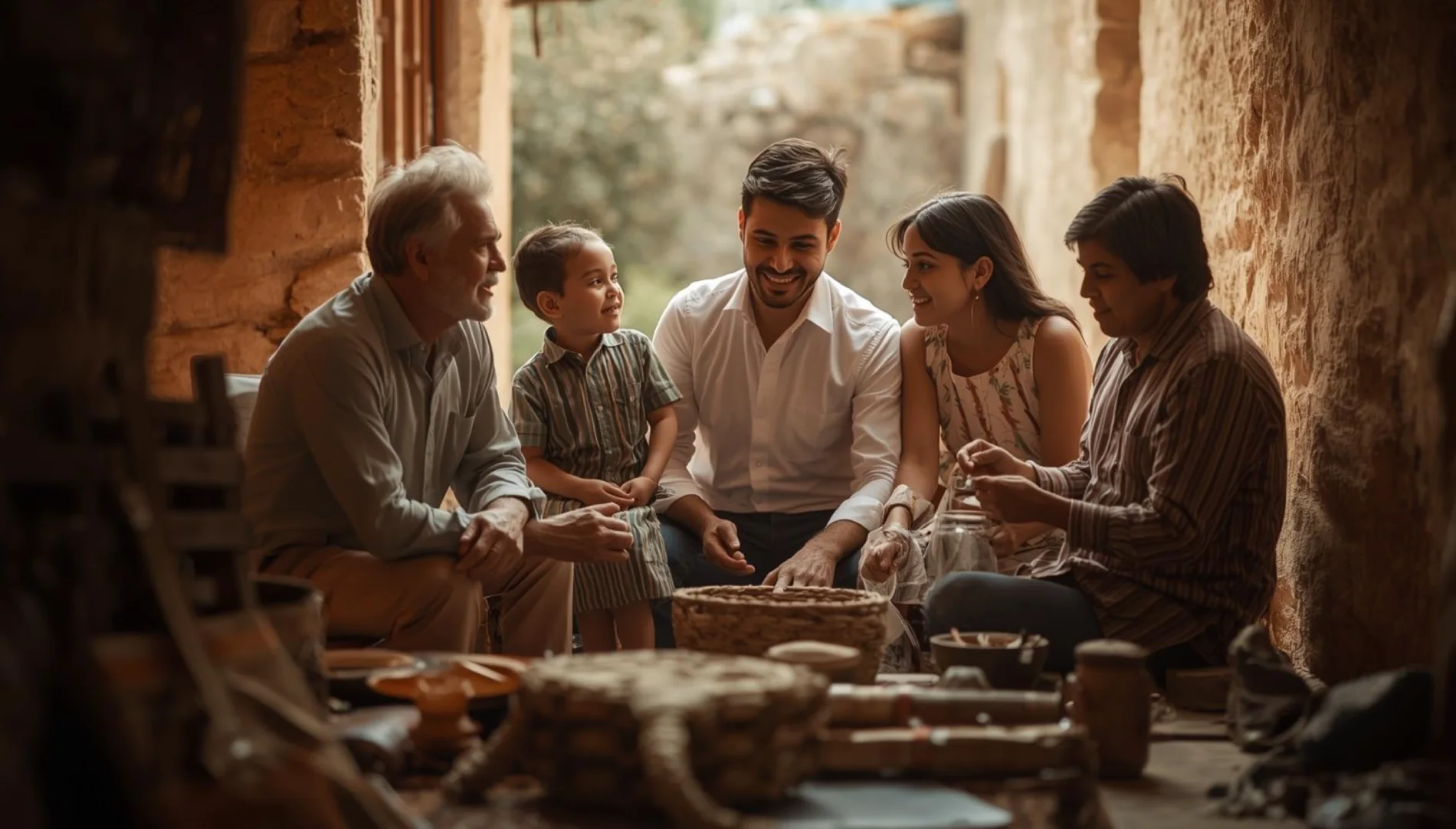
- children feel engaged
- parents feel fulfilled
- grandparents feel connected
Not separately — but together.
The role of curation
Meaningful journeys don’t happen by chance.
They require:
- access to the right people and places
- sensitivity to cultural context
- the ability to read between what is said and what is needed
Curation is not about adding more.
It’s about choosing with intention.
When design disappears
The best journeys have something in common:
They don’t feel designed.
They feel natural.
Effortless.
Unfolding at the right pace.
But behind that simplicity
is a deep level of thought, experience, and precision.
From planning to impact
When a journey is designed as a story:
- families stay more present
- moments feel more meaningful
- memories become more vivid
Because the experience is not just happening —
it is resonating.
A final thought
Anyone can build an itinerary.
But designing a journey that stays with someone
long after they return —
that requires a different way of thinking.
Not about places.
Not about logistics.
But about what truly matters when people travel together.
If you’re looking to offer your clients journeys that go beyond structure and into meaningful experiences,
we collaborate with travel advisors to design travel in Mexico that feels as natural as it is intentional.